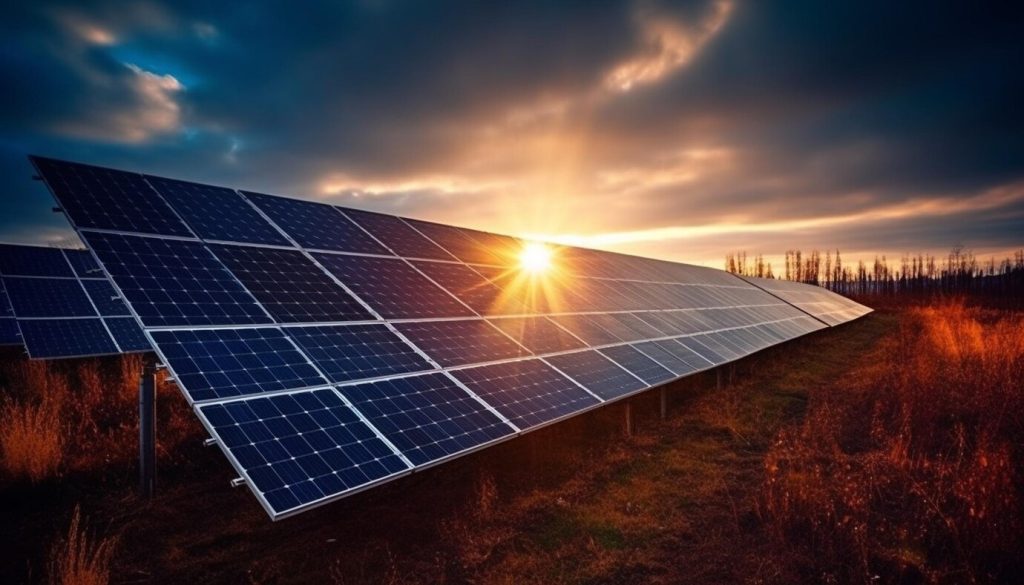
Solar energy is one of the most widely adopted renewable energy sources in the world. As the demand for clean electricity increases, new technologies are being developed to make solar power generation more efficient and accessible. One such innovation is the floating solar power plant, which generates electricity by installing solar panels on the surface of water bodies instead of using conventional land-based installations.
Also known as floating photovoltaic (FPV) systems or floatovoltaics, these are systems that are sited on reservoirs, lakes, ponds, dams, and so on. They represent an alternative way of generating solar power in areas where there is a lack of land.
Floating solar power plants can be used to make use of otherwise unused water surfaces, reduce the competition for agricultural land, and potentially reduce the amount of water lost through evaporation from the covered areas. As interest in renewable energy grows, floating solar is emerging as a significant option for the generation of sustainable electricity.
What is a Floating Solar Power Plant?
A floating solar power plant is a renewable energy installation in which photovoltaic (PV) panels are mounted on specially designed floating structures placed on water bodies.
Unlike conventional solar power plants that require large areas of land, floating solar installations utilize suitable water surfaces for electricity generation.
The floating structures are generally made from durable, water-resistant materials and are designed to support solar panels while maintaining stability. Anchoring and mooring systems keep the installation in position despite changes in water levels, wind, and water movement.
These plants use the same basic photovoltaic technology as conventional solar installations. The main difference is their location and the floating infrastructure required to support the panels.
How Does a Floating Solar Power Plant Work?
Floating solar power plants work on the principle of photovoltaics (sunlight to electricity).
The electricity generation process involves several stages:
Step 1: Absorption of Sunlight
Solar panels on floating platforms absorb the sun’s rays via their photovoltaic cells.
Step 2: Generation of Electricity
The photovoltaic cells convert solar energy into direct current (DC) electricity.
Step 3: Power Collection
The generated electricity is collected through electrical cables and combiner boxes, which bring together the output from multiple solar panel arrays.
Step 4: Conversion Into Alternating Current
Inverters convert DC into AC (alternating current), which is what is required for most applications and for feeding into the grid.
Step 5: Transmission and Distribution
The converted electricity is then passed via the appropriate electrical infrastructure to a substation or distribution network, from where it can be supplied to the consumer.
The floating platforms, anchoring systems, and electrical components are specially designed to operate safely in an aquatic environment.
Major Components of a Floating Solar Power Plant
A floating solar installation comprises a number of components which work in conjunction to produce and transmit electricity.
Solar Photovoltaic Panels
These panels absorb the sun’s rays and convert them into electrical energy. They are built to cope with the conditions they’ll be exposed to in the field and to moisture.
Floating Platforms or Pontoons
These provide buoyancy and support for the panels. They’re generally constructed from robust, water-resistant materials.
Anchoring and Mooring Systems
Anchors and mooring lines will, of course, secure the floating installation and help to keep it from moving too much due to wind, waves, and changing water levels.
Inverters
Inverters take the DC electricity produced by the solar panels and convert it into AC electricity for grid connection or for use in other electrical applications.
Electrical Cables
Specially protected cables carry the electricity between the solar panels, the combiner boxes, the inverters, and all the other electrical equipment.
Monitoring Systems
Monitoring equipment tracks electricity generation, equipment performance, and operating conditions to support maintenance and efficient plant management.
Advantages of Floating Solar Power Plants
Floating solar technology offers several advantages over conventional land-based solar installations.
Efficient Utilisation of Water Surfaces
Floating solar plants utilize suitable reservoirs, lakes and ponds for electricity generation. This reduces the need to acquire additional land, allowing existing land resources to be used for agriculture, infrastructure and other purposes.
Reduced Water Evaporation
Solar panels provide shade over the water surface, which will in turn reduce the amount of direct sun exposure and thus help to limit evaporation in the covered areas.
The amount of water saved will obviously vary depending on the % of surface coverage, the local climate, and the characteristics of the water body.
Potential Improvement in Solar Panel Performance
Water bodies can have a cooling effect around the floating PV installations. Lower operating temperatures can lead to improved PV panel efficiency under the right circumstances.
However, the real performance gain is going to be highly dependent on system design, climate, and operating conditions.
Clean and Renewable Electricity
Floating solar plants generate electricity from sunlight without directly burning fossil fuels during operation. They can help reduce dependence on conventional energy sources and contribute to lower greenhouse gas emissions.
Reduced Competition for Land
In densely populated regions, land availability can be a major challenge for large-scale renewable energy projects. Floating solar installations provide an alternative location for solar power generation without occupying large agricultural or urban land areas.
Potential Integration with Hydropower Projects
Floating solar plants can be developed alongside existing hydropower reservoirs. Such hybrid systems can combine solar electricity generation with hydropower infrastructure and potentially make better use of existing transmission facilities.
Applications of Floating Solar Power Plants
Floating solar can be deployed in a variety of locations and applications.
Reservoirs and Dams
Large reservoirs can accommodate the floating solar installations and provide the basis for utility-scale renewable electricity generation.
Industrial Water Bodies
Industrial ponds and water storage facilities can be considered for the floating solar projects depending on the water quality, the operational requirements, and the site suitability.
Irrigation Reservoirs
Suitable irrigation reservoirs can be used to support solar electricity generation and at the same time help to reduce evaporation from covered water surfaces.
Wastewater Treatment Facilities
Some of the wastewater treatment ponds and storage basins could be suitable for floating solar after a consideration of water quality, the level of maintenance required, and operational safety.
Hydropower Facilities
Floating solar plants can be integrated with existing hydropower reservoirs to diversify renewable electricity generation.
Floating Solar Power Plants in India
India has significant potential for floating solar power generation because of its extensive network of reservoirs, dams, and other inland water bodies.
Several projects have demonstrated the country’s progress in this technology.
These projects demonstrate how existing water bodies can be used to expand renewable energy generation.
Government Initiatives for Floating Solar Development
The Government of India has been exploring floating solar technology to support renewable energy expansion and improve the utilization of existing water resources.
In Feb 2026, the MoNRE held a stakeholder consultation on the draft floating solar potential assessment and draft policy framework that had been prepared by NISE and IIT Roorkee.
The initiative has also stressed the need to identify appropriate water bodies and to develop a more robust framework for floating solar.
In addition, on July 31, 2026, the Union Cabinet approved the Pradhan Mantri Surya Sarovar Yojana (PM-SSY) with a total outlay of ₹5,070 crore.
The scheme aims to develop 5,000 MW of floating solar photovoltaic projects with co-located energy storage systems having a minimum storage capacity of two hours, equivalent to 10,000 MWh.
The scheme also provides for central financial assistance of ₹1 crore per MW for eligible projects after successful commissioning and up to ₹50 lakh per project for feasibility studies and preparatory assessments.
These measures aim to encourage floating solar development, promote energy storage and support India’s renewable energy objectives.
Challenges of Floating Solar Power Plants
High Initial Investment
Floating solar projects generally require a bespoke floating platform, a suitable anchoring system, corrosion-resistant equipment, and a whole host of other installation arrangements. All of which can lead to a higher initial project cost than a conventional ground-mounted solar plant.
Maintenance Difficulties
Maintaining the solar panels and electrical equipment over water is more complicated than maintaining the equivalent land-based installations. You’ll often need specialist equipment, specialist personnel and appropriate safety arrangements.
Environmental Concerns
Large floating solar arrays can reduce the amount of light getting through to the water. The extent to which this will affect aquatic vegetation, dissolved oxygen and the local ecosystem will be site and coverage dependent.
Weather-Related Risks
Strong winds, storms, waves, and water level fluctuations can all have an impact on the stability of a floating structure. The appropriate engineering and anchoring systems are obviously key to minimizing that risk.
Electricity Safety
Water and electricity both require a very careful approach to safety. Electrical cables, connectors, and the like all have to be properly protected against moisture, corrosion, and mechanical damage.
Future Scope of Floating Solar Energy in India
Floating solar power has huge potential to contribute to India’s renewable energy development.
As demand for electricity continues to grow and there’s a lack of suitable land in certain areas, water-based solar installations could provide another avenue for expanding our clean energy capacity.
Technological improvements in floating structures, electrical equipment, monitoring systems, and energy storage can help improve the performance and reliability of these projects.
Furthermore, combining floating solar installations with hydropower facilities and suitable water storage infrastructure may support more flexible renewable electricity generation.
However, future development will need careful environmental assessments, effective maintenance, sound financial planning, and co-operation between the various government agencies, the energy developers, and the local communities.
FAQs about Floating Solar Power Plant
Floating solar power plants are an interesting proposition in terms of renewable energy generation. The concept is to install the PV panels on water and thus generate power without requiring any additional land.
Their potential benefits would be better utilization of the existing water surface, reduced evaporation from the covered area, potential improvements in panel performance, and the ability to be incorporated into the hydropower infrastructure.
Although there are still issues around the cost of installation, the cost of maintenance, the weather, and the impact on aquatic ecosystems, further technological development and the right kind of policy support can go a long way to enabling the sector to grow.
As India continues to build up its renewable energy capacity, floating solar power plants can become an important element of its move towards a more sustainable and diversified energy mix.