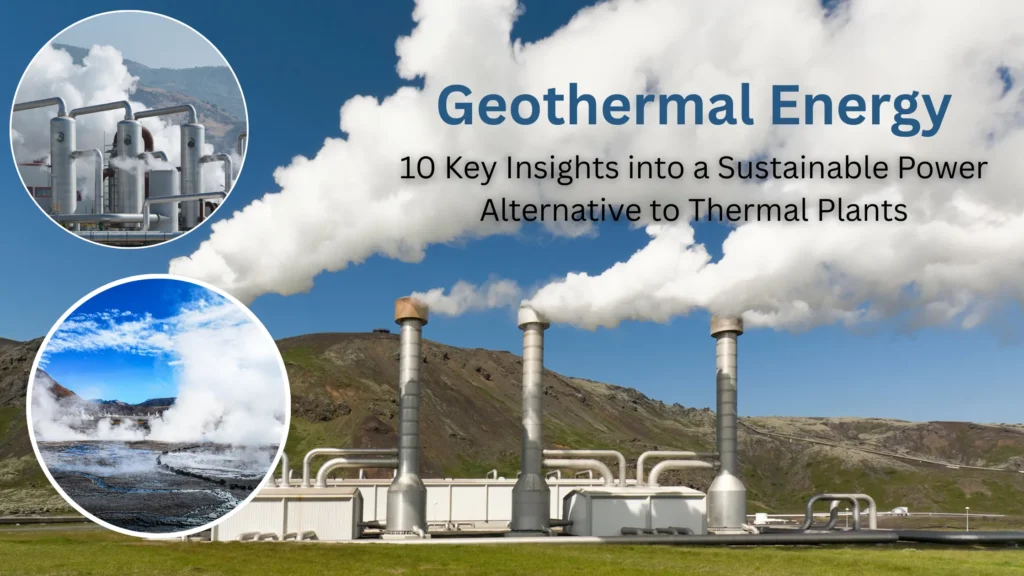
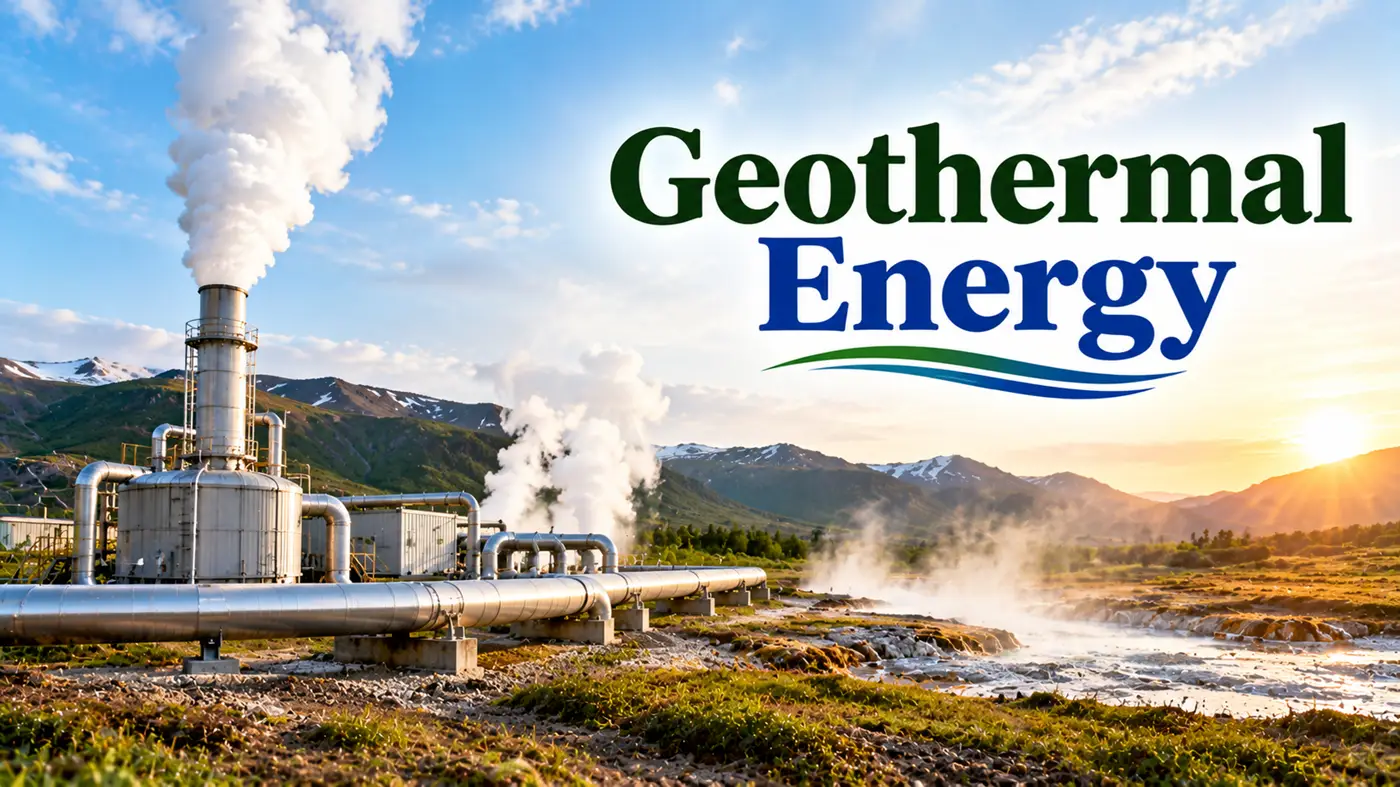
Geothermal energy is a renewable form of energy which makes use of the heat stored beneath the Earth’s surface. This heat is mainly due to the heat which the Earth acquired when it was formed and to the constant decay of the naturally occurring radioactive elements in the planet. It can be put to use in generating electricity, in heating buildings and in supporting a wide range of industrial applications.
Geothermal energy, in contrast to solar and wind energy, is not directly dependent on weather conditions and thus has the potential to be a reliable source of energy in regions that have suitable underground heat resources. Since countries are seeking cleaner alternatives to fossil fuels, geothermal energy is now receiving more attention as part of the move towards more sustainable energy systems.
How Does Geothermal Energy Work?
Heat exists deep beneath the Earth’s surface, where temperatures can become extremely high. In some locations, this heat warms underground water and creates hot water or steam reservoirs.
Geothermal power stations make use of these resources in order to produce electricity. Wells are bored into geothermal reservoirs so that the hot water or steam can get to the surface. The steam can be used directly to drive a turbine, or the hot water can first be turned into steam before it enters the turbine. The turbine is coupled to a generator which then generates electricity.
After use, water can often be returned to the underground reservoir through injection wells. This helps maintain the geothermal resource and supports more sustainable operation.
Types of Geothermal Power Plants
There are several types of geothermal power plants, depending on the temperature and characteristics of the underground resource.
Dry Steam Plants
Dry steam plants use naturally occurring underground steam to directly turn a turbine. They are suitable for locations where geothermal reservoirs provide steam at the required conditions.
Flash Steam Plants
Flash steam plants use high-temperature geothermal water. When the hot water reaches the surface and pressure decreases, some of it rapidly turns into steam, or “flashes.” The steam is then used to drive a turbine.
Binary Cycle Plants
Binary cycle plants can use geothermal resources with lower temperatures. Heat from geothermal water is transferred to another liquid with a lower boiling point. The secondary liquid turns into vapour and drives the turbine.
Uses of Geothermal Energy
Geothermal energy is not limited to electricity generation. It can be used directly for heating and other applications.
Electricity Generation
High-temperature geothermal resources can be used to produce electricity.
Heating Buildings
Geothermal heat can provide heating for homes, offices and other buildings.
District Heating
In suitable areas, geothermal heat can be distributed through networks to heat multiple buildings.
Agriculture
Geothermal heat can be used in greenhouses and certain agricultural processes.
Industrial Applications
Some industries use geothermal heat for processes that require relatively low or moderate temperatures.
Advantages of Geothermal Energy
Geothermal energy has several advantages that make it an attractive renewable resource.
Renewable Resource
The Earth’s internal heat is continuously produced, making geothermal energy renewable when resources are managed properly.
Reliable Generation
Geothermal power plants can provide relatively consistent electricity because they are not directly dependent on sunlight or wind.
Low Operational Emissions
Geothermal power generation generally produces much lower greenhouse gas emissions than fossil-fuel-based electricity generation.
Small Land Footprint
Geothermal facilities can require relatively less land compared with some other forms of energy infrastructure.
Useful for Heating
Geothermal resources can provide direct heat without first converting the energy into electricity.
Challenges of Geothermal Energy
Despite its benefits, geothermal energy has certain limitations. Suitable geothermal resources are not evenly distributed around the world, meaning some regions have much greater potential than others.
Developing a geothermal project can also involve high initial costs because exploration and drilling require specialised equipment and expertise. Drilling deep wells can be technically challenging, and there is always some uncertainty about the quality and quantity of underground resources.
Geothermal projects can also have some effect on the local environment; depending on where they are situated and the technology employed, they might emit small quantities of naturally occurring gases or minerals and could in principle lead to induced seismic activity. It is therefore necessary to carry out proper monitoring and management.
Geothermal Energy in India
India has several regions with geothermal potential because of its geological features and numerous hot springs. Areas such as Ladakh, Himachal Pradesh, Uttarakhand, Chhattisgarh and parts of the western and southern regions have been identified as having geothermal resources.
Geothermal energy in India is still at a relatively early stage compared with more established renewable sources such as solar and wind. However, it has potential for applications such as heating, cooling, agriculture and electricity generation in locations where suitable resources are available.
The Future of Geothermal Energy
Advances in drilling technology and geothermal engineering could expand the use of geothermal energy beyond areas with easily accessible underground resources. Enhanced geothermal systems are also being explored to access heat from hot rocks where naturally occurring reservoirs of water and steam are limited.
Since the world’s demand for reliable low-carbon energy grows, geothermal energy might be used to supplement other renewable energy sources. It is especially valuable in areas where the geological conditions are appropriate because it can provide steady power and direct heating.
FAQs about Geothermal Energy
Geothermal energy harnesses the Earth’s natural heat to produce electricity and provide heating for various applications. It is a renewable and relatively reliable energy source that can complement solar, wind and other clean-energy technologies. Although high development costs, geological limitations and environmental considerations present challenges, continued technological development could increase the role of geothermal energy in the world’s transition towards a cleaner and more sustainable energy system.