Clean and Sustainable Source of Power
Solar energy is one of the most widely available sources of renewable energy. It comes from radiation produced by the sun and can be converted into electricity or heat for different applications. As concerns about climate change, rising energy demand, and dependence on fossil fuels continue to grow, solar energy has become an important part of the transition towards cleaner and more sustainable energy systems.
Solar energy is a renewable resource because sunlight is naturally replenished, whereas coal, petroleum, and natural gas are not. Solar technologies can be used on a wide range of scales, from small rooftop systems which supply electricity to individual homes to large solar power stations which generate electricity for thousands of consumers.
How Does Solar Energy Work?
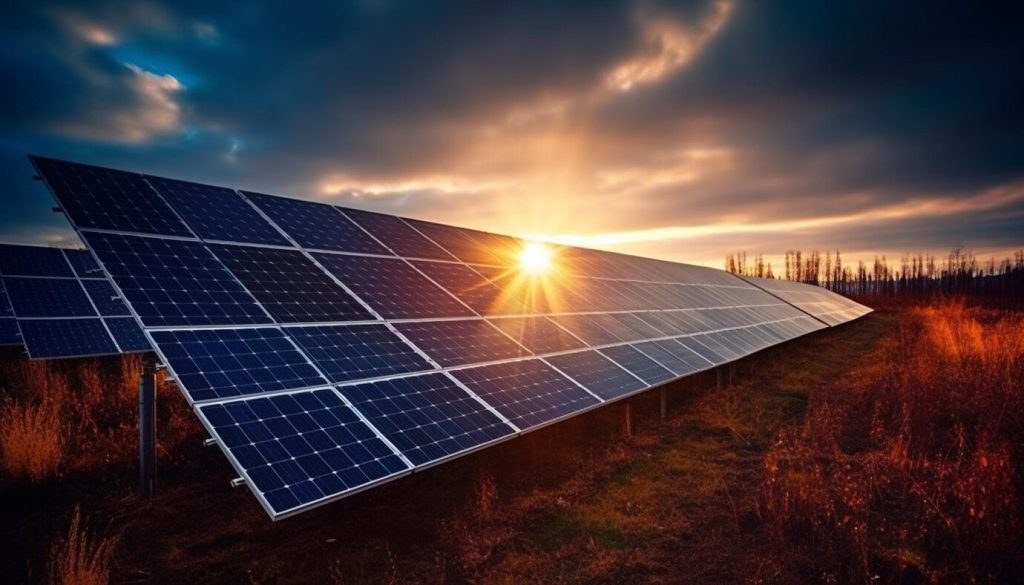
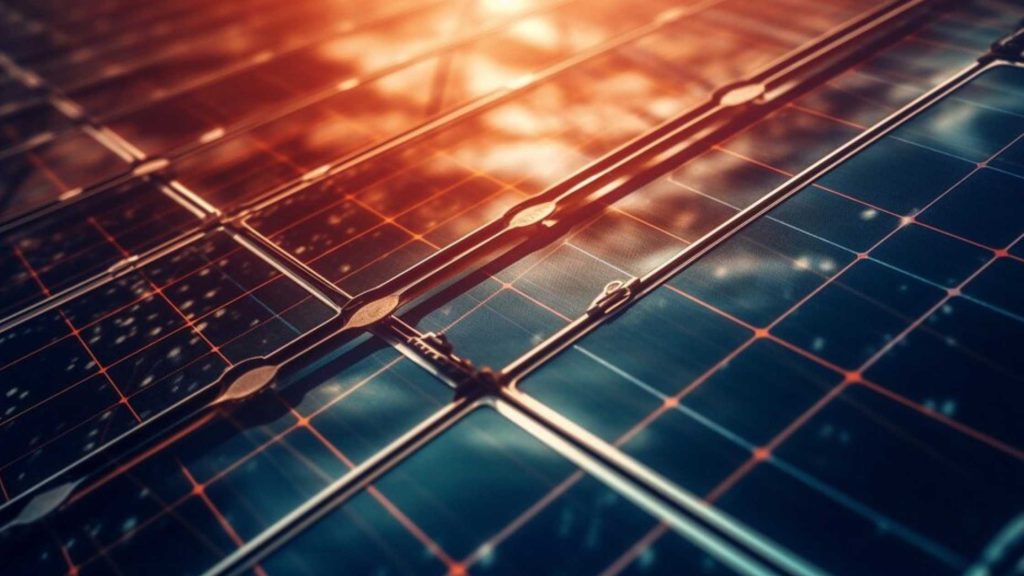
Solar energy is mainly harnessed through solar panels, which contain photovoltaic (PV) cells. These cells are generally made from semiconductor materials such as silicon. When sunlight falls on a photovoltaic cell, it creates an electrical current. This process allows sunlight to be directly converted into electricity.
A solar power system can also have an inverter, since this device transforms the direct current (DC) produced by the panels into alternating current (AC), which is the type of current used by most home appliances and electrical systems. Furthermore, batteries can be included in order to store the extra electricity so that it can be used when there is no sunlight, for example at night or during power cuts.
Solar thermal technology can also be used. Instead of converting sunlight directly into electricity, these solar thermal systems gather the heat from the sun and use it for things such as water heating and industrial processes.
Types of Solar Energy Systems
Solar energy systems can be broadly divided into several categories. Grid-connected solar systems are connected to the electricity grid and can supply solar-generated power to a home or business while drawing electricity from the grid when required.
Off-grid systems operate independently of the electricity grid and generally use batteries to store electricity. They can be useful in remote areas where grid connectivity is limited.
Hybrid solar systems combine solar panels with battery storage and, in some cases, a connection to the electricity grid. This allows users to use solar power while also having additional sources of electricity when needed.
Benefits of Solar Energy
One of the major advantages of solar energy is that it produces electricity without directly burning fossil fuels during operation. This can help reduce greenhouse gas emissions associated with conventional electricity generation.
Solar energy can also reduce dependence on conventional energy sources. Rooftop solar systems allow households, businesses, schools, and other institutions to generate part of their own electricity.
Another benefit is its scalability. Solar installations can range from small systems for individual homes to utility-scale solar farms covering large areas. This makes solar energy suitable for a variety of applications.
Solar power can also help to provide energy to isolated communities. It is possible for small solar systems to supply electricity for lighting, for communication equipment, for pumping water, and for other essential requirements in areas where it may be difficult or costly to extend conventional power infrastructure.
Limitations of Solar Energy
The generation of solar power is based on sunlight, which means that the amount of electricity produced varies with the time of day, the weather, and the season.
Energy storage can help address this issue, but batteries add to the cost and require materials and infrastructure for manufacturing, maintenance, and eventual recycling or disposal.
Solar installations also need space; large solar projects can take up a great deal of land, while roof-mounted systems require a sufficient area of roof and suitable conditions for installation.
The environmental impacts also apply to the manufacturing, transportation, installation, and disposal of solar equipment, so it is important to ensure that solar panels and batteries are produced responsibly and recycled, as well as being properly managed in order to make the whole energy system more sustainable.
Applications of Solar Energy
Solar energy is applied in homes, commercial buildings, industrial establishments, agriculture, transportation, and public infrastructure; rooftop solar panels can be used to supply electricity to household appliances and the operations of businesses.
In agriculture, solar-powered pumps can be used for irrigation and water supply. Solar dryers can also help farmers dry agricultural products using heat from the sun.
Solar street lights are another common application, particularly in areas where extending conventional electricity infrastructure may be difficult. Solar energy is also being considered for electric vehicle charging and other emerging energy applications.
Solar Energy and a Sustainable Future
The growing use of renewable energy is an important part of efforts to create more sustainable energy systems. Solar energy can help diversify electricity generation and reduce reliance on fossil fuels when integrated with other renewable sources and appropriate energy storage and grid infrastructure.
Technological advances are likewise helping to lead to more efficient solar panels, better batteries, and improved energy-management systems. By keeping up with investment in research, in recycling infrastructure, and in the responsible way of deploying solar power, it is possible to help overcome some of the environmental and technical problems connected with solar power.
Solar energy alone is not capable of meeting all of our energy needs, but it can still have an important role in a wider renewable-energy system. If solar power is coupled with energy storage, with other renewable energy sources, with efficient electricity networks, and with responsible energy consumption, it will help to achieve a cleaner and more resilient energy future.
FAQs about Solar Energy