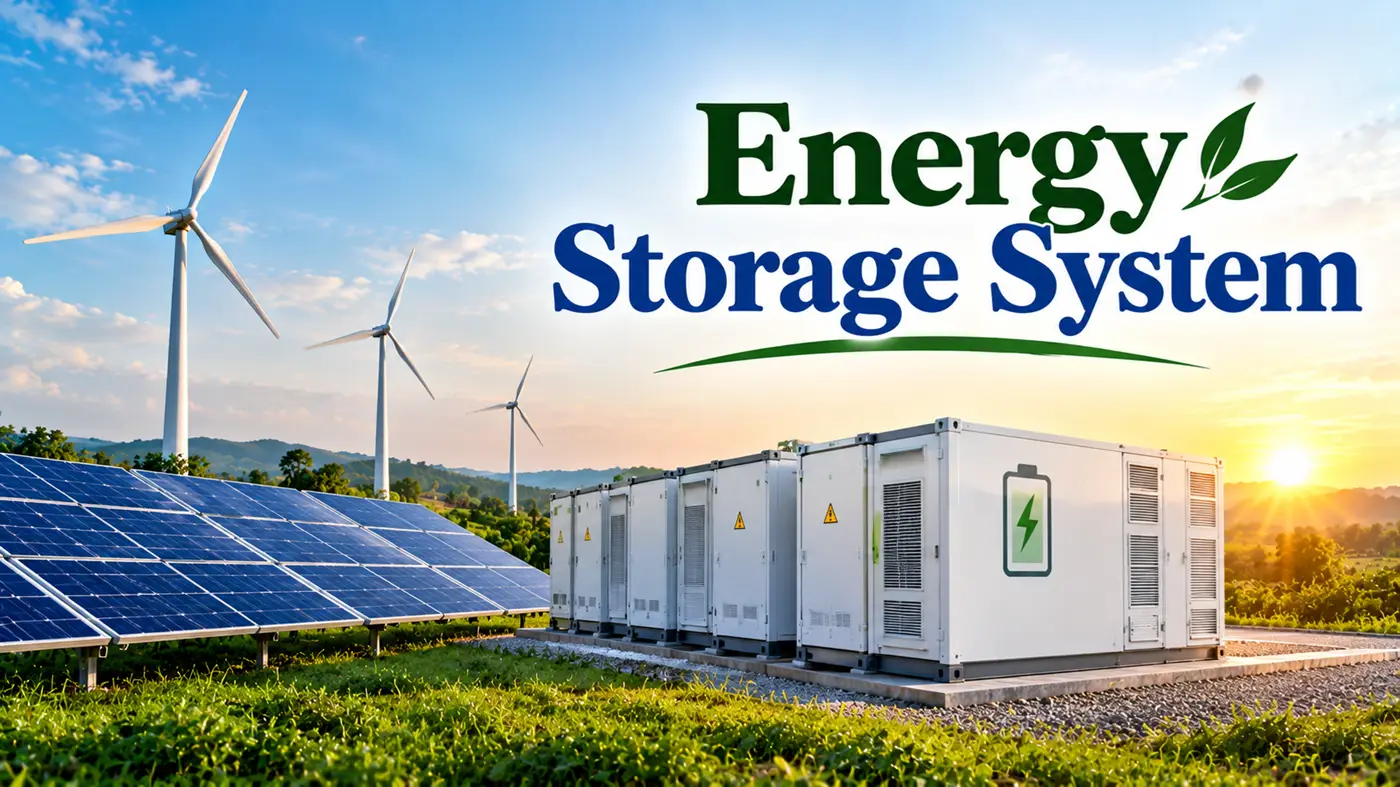
Energy storage systems store energy for later use. They are becoming increasingly important as countries expand their use of renewable energy sources such as solar and wind. Since electricity generation from these sources can vary depending on weather and time of day, energy storage can help balance supply and demand.
Energy storage can also improve the reliability of electricity networks, support electric vehicles, provide backup power and help consumers manage their electricity use. From batteries to pumped-storage hydropower, different technologies can store energy in different forms and serve different purposes.
What are Energy Storage Systems?
An energy storage system captures energy when it is available and releases it when it is needed. Depending on the technology, energy can be stored as electrical, chemical, mechanical or thermal energy.
For instance, a battery stores energy in a chemical form and converts it back into electrical energy when needed. A pumped-storage hydropower system saves energy by pumping water to a higher elevation and then releasing it via turbines in order to produce electricity.
The main purpose of an energy storage system is to provide greater flexibility between the time energy is produced and the time it is consumed.
How Do Energy Storage Systems Work?
An energy storage system generally has three basic stages: charging, storing and discharging.
During the charging stage, electricity or another form of energy is supplied to the storage system. The system converts and stores that energy in an appropriate form.
During the storage stage, the energy remains stored until it is required.
During the discharging stage, the stored energy is converted back into a usable form, such as electricity, and supplied to homes, businesses, industries or the electricity grid.
The exact process depends on the type of storage technology being used.
Types of Energy Storage Systems
Various storage technologies are appropriate for different applications.
Battery Energy Storage
Battery energy storage systems store electricity by means of electrochemical reactions and lithium-ion batteries are commonly used for this purpose because of their high energy density and quick response capability.
Other battery technologies, such as flow batteries and sodium-based batteries, are likewise being developed and put to use in certain applications.
Pumped Storage Hydropower
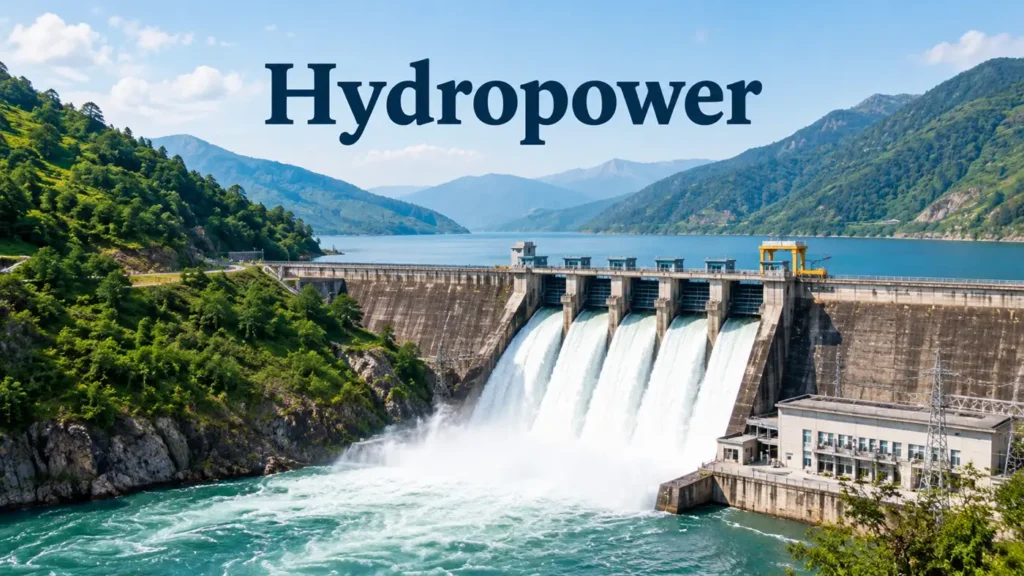
Pumped-storage hydropower is one of the largest forms of grid-scale energy storage. During periods of low electricity demand, electricity is used to pump water to an elevated reservoir. When electricity is needed, the stored water flows downhill through turbines to generate electricity.
Thermal Energy Storage
Thermal storage systems store energy as heat or cold. They can be used in buildings, industrial processes and some power-generation systems. For example, heat can be stored and used later for heating or electricity generation.
Flywheel Energy Storage
Energy in flywheel systems is stored as rotational motion. To do this, electricity speeds up a rotating mass, and the kinetic energy which has been stored can then be changed back into electricity.
Since flywheels can respond very quickly, they are useful for use in situations which involve the need for rapid power delivery and grid stabilisation.
Compressed Air Energy Storage
Compressed air energy storage uses electricity to compress air and store it, often in underground formations or specially designed storage systems. When electricity is required, the compressed air is released and used to drive equipment that produces electricity.
Hydrogen Energy Storage
Electricity can be used to produce hydrogen through electrolysis. The hydrogen can then be stored and later used in fuel cells or other systems to produce energy. Hydrogen storage can be useful for storing energy over longer periods, although the overall process involves energy losses.
Benefits of Energy Storage Systems
Energy storage systems provide several benefits to modern electricity networks.
Supports Renewable Energy
Storage can save excess electricity generated by solar and wind systems and release it when generation falls.
Improves Grid Stability
Storage systems can respond quickly to changes in electricity demand and supply, helping maintain a stable grid.
Provides Backup Power
Batteries and other storage systems can supply electricity during outages or interruptions.
Reduces Peak Demand
Stored energy can be used during periods of high electricity demand, reducing pressure on the electricity grid.
Enables Better Energy Management
Homes and businesses can store electricity when it is available and use it later according to their needs.
Supports Electric Vehicles
Batteries are essential for electric vehicles, while charging infrastructure and grid-scale storage can help manage the additional electricity demand created by EVs.
Challenges of Energy Storage
Despite their advantages, energy storage systems also face several challenges.
The cost of some storage technologies can be high, particularly for large-scale installations. Batteries also have limited lifespans and gradually lose storage capacity with repeated use.
Since the making and getting rid of batteries involve materials which can have environmental and supply-chain effects, proper management of them is necessary and recycling along with responsible end-of-life management is important.
A problem is that different storage technologies are appropriate for different lengths of time and various applications; a system which is designed for short-term grid balancing cannot be used for storing energy for several days or months.
Role of Energy Storage in Renewable Energy
Solar and wind energy are variable sources of electricity. Solar panels produce the most electricity during daylight hours, while wind generation changes according to wind conditions.
Energy storage can be used to make up for the difference between the generation and the use of electricity. For instance, the electricity produced by solar panels in the afternoon can be stored in batteries and then used in the evening when solar generation drops.
This ability to shift electricity from one period to another can make renewable energy systems more flexible and useful.
Energy Storage in India
Energy storage is becoming increasingly important in India’s evolving electricity system. The country’s growing use of solar and wind power creates a greater need for technologies that can balance variable renewable generation.
Battery energy storage systems and pumped-storage hydropower are among the technologies being explored for large-scale applications. Storage can help improve grid flexibility, support renewable-energy integration and provide backup power in suitable applications.
As electricity demand continues to grow, energy storage is expected to become an increasingly important part of India’s energy infrastructure.
The Future of Energy Storage
Research and investment in energy storage are expanding rapidly. Advances in battery chemistry, manufacturing, recycling and energy-management systems could improve performance while reducing costs.
Long-duration energy storage is also receiving increasing attention because storing electricity for many hours or even longer periods can help manage extended gaps between renewable generation and electricity demand.
No single storage technology is likely to meet every energy-storage requirement. Instead, batteries, pumped storage, thermal storage, hydrogen and other technologies can serve different roles within a flexible energy system.
FAQs about Energy Storage System
Energy storage systems are an important part of the transition towards a more flexible and reliable energy system. By storing energy when it is available and releasing it when needed, they can support renewable energy, improve grid stability, provide backup power and help manage electricity demand.
As technology develops and storage costs continue to evolve, energy storage is likely to play an increasingly important role in the future of electricity generation and consumption.