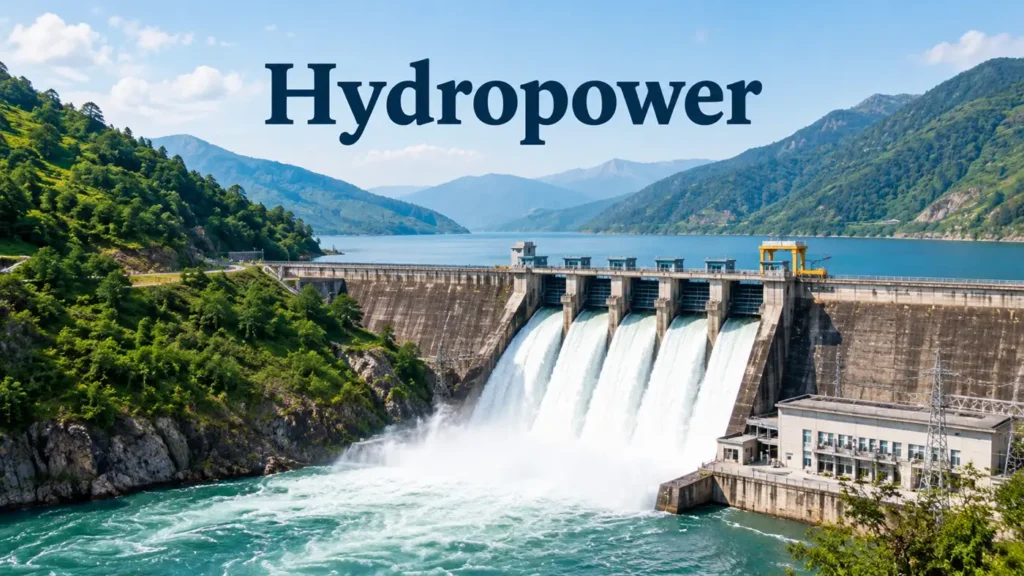
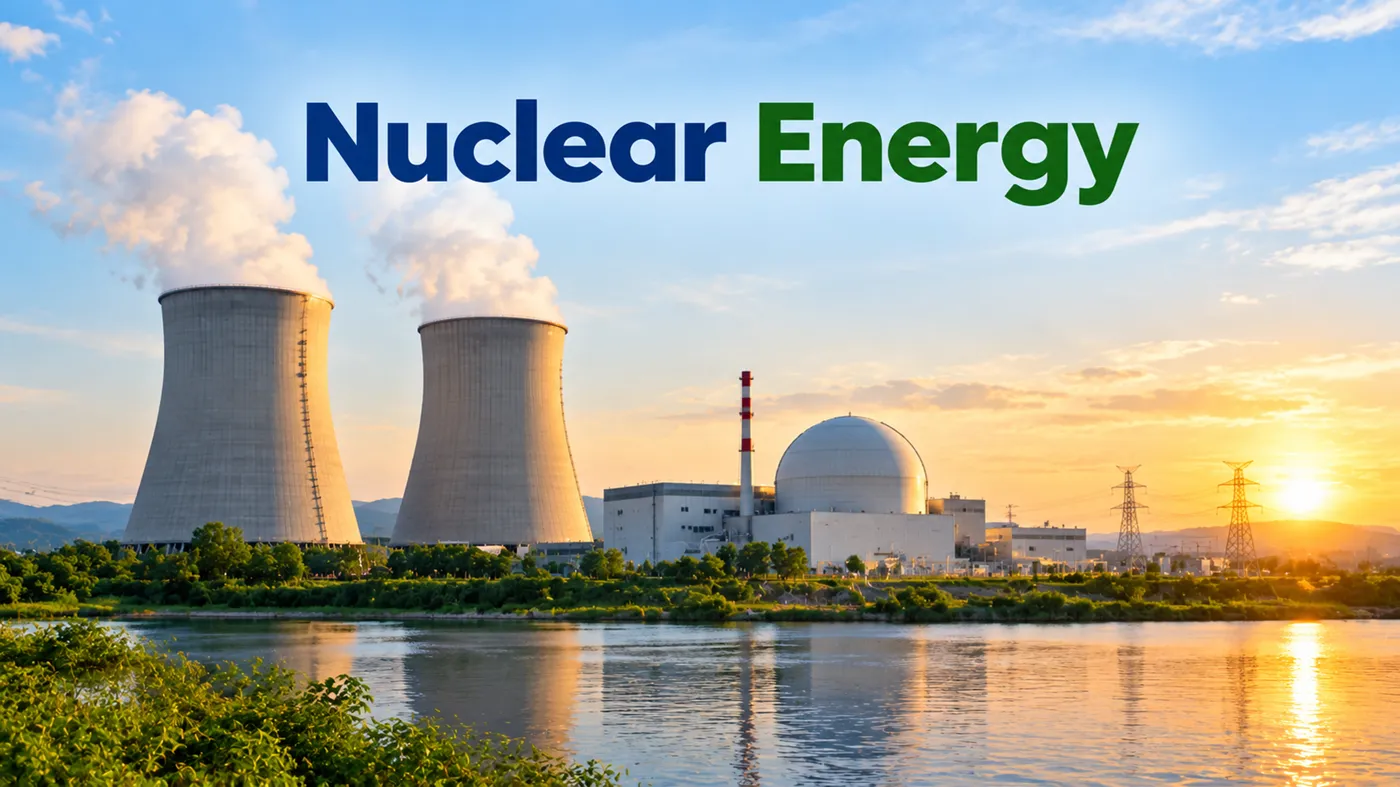
Nuclear energy is a highly powerful form of energy which is obtained through reactions taking place in the nucleus of an atom. At present, nuclear power stations mainly make use of a process known as nuclear fission, during which the nuclei of certain atoms, for example uranium, are split in order to release a great deal of heat. This heat is then used to generate steam, which in turn causes turbines linked to generators to produce electricity.
Nuclear energy is frequently mentioned together with renewable energy since nuclear power stations are able to produce large quantities of electricity while having relatively low greenhouse gas emissions during operation. The reason why nuclear energy is not classified as a renewable resource is that fuels such as uranium are finite resources.
How Does Nuclear Energy Work?
Most commercial nuclear power plants generate electricity through nuclear fission. Inside a reactor, uranium fuel undergoes a controlled chain reaction. When uranium nuclei split, they release heat and additional neutrons, which can cause further fission reactions.
The water is heated by the heat from the reactor; in accordance with the design of the reactor, the heat either produces steam directly or is used to heat a separate system of water. The steam then causes a turbine to rotate, the turbine in turn driving a generator which generates electricity.
Control systems and safety mechanisms are used to regulate the nuclear reaction and manage the heat produced inside the reactor.
Types of Nuclear Reactions
Nuclear energy can be obtained through two major types of nuclear reactions.
Nuclear Fission
Nuclear fission is the process of splitting a heavy atomic nucleus into smaller nuclei, with energy and extra neutrons being given off so that a controlled chain reaction can go on within a nuclear reactor. At present, commercial nuclear power stations depend on nuclear fission.
Nuclear Fusion
Energy is released when light atomic nuclei join together to form a heavier nucleus. The Sun and other stars are powered by fusion.
Scientists are carrying out research into nuclear fusion as a possible source of future energy, but there is still a big technological difficulty involved in producing practical commercial amounts of electricity from it.
Advantages of Nuclear Energy
Nuclear energy has several characteristics that make it an important part of the electricity systems of many countries.
High Energy Output
A relatively small quantity of nuclear fuel can produce a very large amount of energy.
Low Operational Carbon Emissions
Nuclear power plants do not burn fossil fuels to generate electricity and generally have low greenhouse gas emissions over their life cycle.
Reliable Electricity
Nuclear plants can provide continuous electricity for long periods, making them useful for supplying a stable power source.
Small Land Requirement
Nuclear power plants can generate large amounts of electricity from a comparatively compact site.
Supports Energy Security
Nuclear power can reduce dependence on fossil fuels and diversify a country’s electricity supply.
Challenges of Nuclear Energy
Nuclear energy also presents significant challenges. Building nuclear power plants requires substantial investment, specialised technology and strict safety standards. Construction projects can take many years to complete.
The management of radioactive waste is another important issue. Some radioactive materials remain hazardous for very long periods and require carefully designed storage and disposal systems.
Although nuclear power plants are designed with multiple safety systems, serious accidents can have significant consequences. This makes strong regulation, maintenance, emergency planning and a strong safety culture essential.
Nuclear power plants also require large amounts of cooling water, depending on their design and location, which can create additional environmental and water-management considerations.
Nuclear Energy and the Environment
Nuclear power does not produce carbon dioxide through the process of electricity generation in the same way that coal and natural gas plants do. As a result, nuclear power can contribute to reducing greenhouse gas emissions when it replaces fossil-fuel-based electricity.
However, nuclear energy is not impact-free. Uranium mining, fuel processing, plant construction, radioactive waste management and the use of cooling systems all have environmental considerations. Responsible regulation and long-term planning are therefore essential.
Also read: What is Wind Energy? Benefits and Challenges
Nuclear Energy in India
India has developed nuclear power as part of its long-term strategy for meeting growing electricity demand. The country’s nuclear programme is led by the Department of Atomic Energy, while commercial nuclear power generation is primarily carried out through Nuclear Power Corporation of India Limited (NPCIL).
India operates pressurised heavy water reactors using natural uranium as fuel and is also developing advanced nuclear technologies. The country has also pursued a long-term nuclear programme involving uranium and thorium resources.
Although nuclear power makes up a smaller portion of India’s total electricity generation when compared to coal and a number of rapidly growing renewable energy sources, it still forms an important element of India’s strategy for diversifying its energy mix and for increasing the amount of low-carbon electricity generated.
The Future of Nuclear Energy
The future of nuclear energy is closely connected to technological development, safety, cost and public acceptance. New reactor designs, including small modular reactors, are being developed with the aim of improving flexibility, safety and construction methods.
Research into advanced reactors and nuclear fusion is still going on. Although fusion might one day offer a new source of energy, it is still in the process of development and must not be mistaken for the current commercial fission-based nuclear power.
While countries are attempting to cut greenhouse gas emissions yet at the same time keep their electricity supplies reliable, nuclear energy could still have a role to play together with renewable sources such as solar, wind and hydropower.
FAQs about Nuclear Energy
Nuclear energy generates electricity by releasing energy from atomic reactions, with today’s commercial plants primarily relying on nuclear fission. It can provide large amounts of reliable electricity with relatively low greenhouse gas emissions during operation. At the same time, high costs, radioactive waste, safety requirements and environmental concerns present important challenges.
Nuclear energy could stay part of a varied energy system together with renewable and other low-carbon energy sources if proper regulation is maintained and technological progress continues.